
By Kirk Kirkland
Environmental Coalition of Pierce County
In 2018 Ecology denied a request by shellfish growers to use the pesticide imidacloprid on shellfish beds to control burrowing shrimp in Willapa Bay and Grays Harbor. Imidacloprid was sprayed from helicopters on non native eelgrass, but in the process affected native eelgrass salmon and other species.
In 2019 Ecology and the Oyster Growers Association signed a settlement agreement to study and monitor the impacts of burrowing shrimp on commercial oyster and clam harvesting in Willapa Bay and Grays Harbor.
Now the state Department Of Agriculture received $2 million from the Model Toxics Control Account (MTCA) for research on a suitable replacement for the insecticide imidacloprid. Chemical solutions and adding gravel to muddy areas will have impacts on eelgrass, salmon and other species.
Oyster growers passed a Bill 1309 out of the House and it will be in the Senate Agriculture Committee on Monday March 17 at 1.30 pm . We were able to stop a companion Senate bill last week, so we should be able kill House Bill 1309 with your help.
How you can help? We have six speakers to attend the meeting, but need you to e-mail your legislators and ask them to vote “no” . Please sign into the Agriculture Committee hearing on Monday to vote “Con”. (Details on how, below.)
Ghost shrimp are native to the Pacific Coast. They lay eggs in estuaries then after hatching leave the estuaries to the ocean, When the shrimp return to the estuaries they burrow as deep as one meter into the mud.
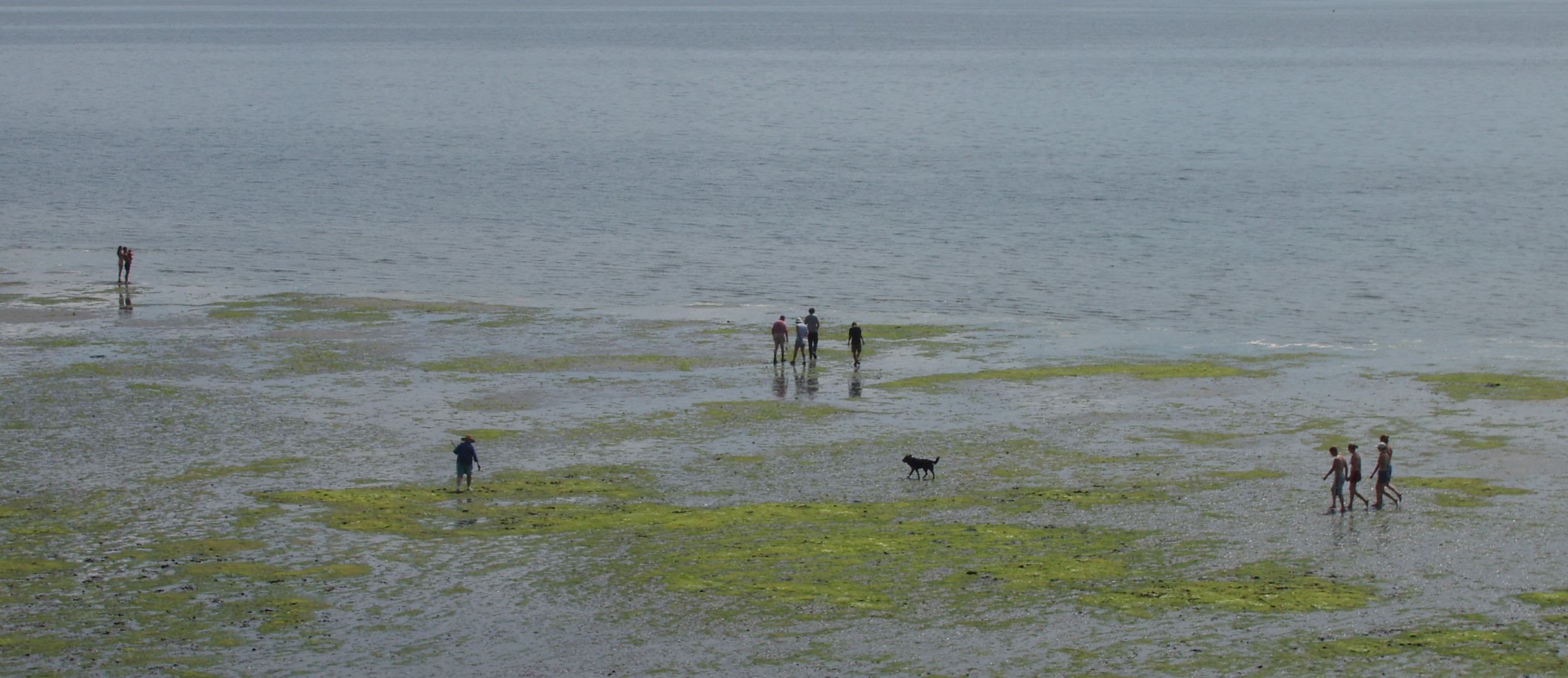
This bill looks for ways to kill burrowing shrimp, perhaps such as smothering them and anything else that lives there, under 5 inches of gravel. We need to pause here and state the obvious: our coastal estuaries are not farms – they are natural ecosystems that should not be sprayed with chemicals, cultivated with a tractor, nor smothered under gravel.
You can also help by:
Sending an e-mail with comments to the members of the Agriculture Committee. Their names are listed below. Your comments are valued and help Senators realize how important this bill is to people in Pierce County.
Take Action.
1. Contact your senators: Please contact your state senators and ask them to vote no on HB 1309 when it reaches the Senate. Then send a comment e-mail to the Senate Agriculture committee where the bill is being heard on Monday March 17, at 1.30 pm.
See attached e-mail lists of committee members below.
2. Make your “no” vote count. .
Sign up for the Agriculture Committee meeting before at 1.30 pm on Monday, March 17 and vote “Con” opposing the bill at .Information on how to create and use your account to end e-mails and vote at committee hearings, can be found — > here.
Talking Points for sending e-mail to Senators
HB 1309 fails to recognize that burrowing shrimp are native to Washington waters and are an important part of the food web. While burrowing shrimp are native, most commercially grown oysters are non-native having been introduced from Asia. It ignores the fact that burrowing shrimp are a natural part of coastal bays and estuaries that support birds, fish, crabs, salmon and people.
Choose one of these comments to put in your e:mail.
Ø This bill presumes that our coastal bays and estuaries are farms that need to be managed rather than natural ecosystems, that under the right circumstances and at the right scale, can support commercial shellfish operations.
Ø This bill is intended to find other means of killing burrowing shrimp but does not preclude chemical means. Ecology prevented the use of potent insecticides containing agents that attack the central nervous system of animals. These insecticides were sprayed from helicopters at low tide over coastal mudflats. Often spraying with pesticides kills native plants and species as much as the target species.
Ø The regulation of this bill is biased toward the interests of industry and are further explicitly controlled by that industry rather than reflecting the broader public interest. The board is dominated by industry representatives which should not come as a surprise since the bill requires board members to “have a clear stake or vested interest” in the shellfish industry. There is only one member allowed from an “ecosystem-based management collaborative” but even they supposedly will have a “vested interest or clear stake” in the industry.
The bottom line is that this bill would enable the shellfish industry to capture public funds and public programs for its own private benefit without the checks and balances necessary for the administration of public funds and laws.
Pick your senators from this list of the Pierce County Delegation
Copy this list, then put all these names in <Send to> tab in your e-mail.
<phil.fortunato@leg.wa.gov>, <steve.conway@leg.wa.gov>, <jim.mccune@leg.wa.gov>, <T’wina.Nobles@leg.wa.gov>, <yasmin.trudeau@leg.wa.gov>, <Deborah.Krishnadasan@leg.wa.gov>, <chris.gildon@leg.wa.gov>
Mail to these members of the
Senate Agriculture & Natural Resources Committee
<june.robinson@leg.wa.gov>, <derek.stanford@leg.wa.gov>, <yasmin.trudeau@leg.wa.gov>, <noel.frame@leg.wa.gov>, <chris.gildon@leg.wa.gov>, <Nikki.Torres@leg.wa.gov>, <mark.schoesler@leg.wa.gov>, <Perry.Dozier@leg.wa.gov>, < matt.boehnke@leg.wa.gov>, <john.braun@leg.wa.gov>, < annette.cleveland@leg.wa.gov>, <steve.conway@leg.wa.gov>, < manka.dhingra@leg.wa.gov>, < drew.hansen@leg.wa.gov>, < bob.hasegawa@leg.wa.gov>, < claudia.kauffman@leg.wa.gov>, < ron.muzzall@leg.wa.gov>, < jamie.pedersen@leg.wa.gov>, < marcus.riccelli@leg.wa.gov>, < rebecca.saldana@leg.wa.gov>, < keith.wagoner@leg.wa.gov>, < judith.warnick@leg.wa.gov>, < lisa.wellman@leg.wa.gov>
 Pierce Prairie Post