
Editorial: Marianne Lincoln
When you elect a developer, to the position of County Executive, what do you get?
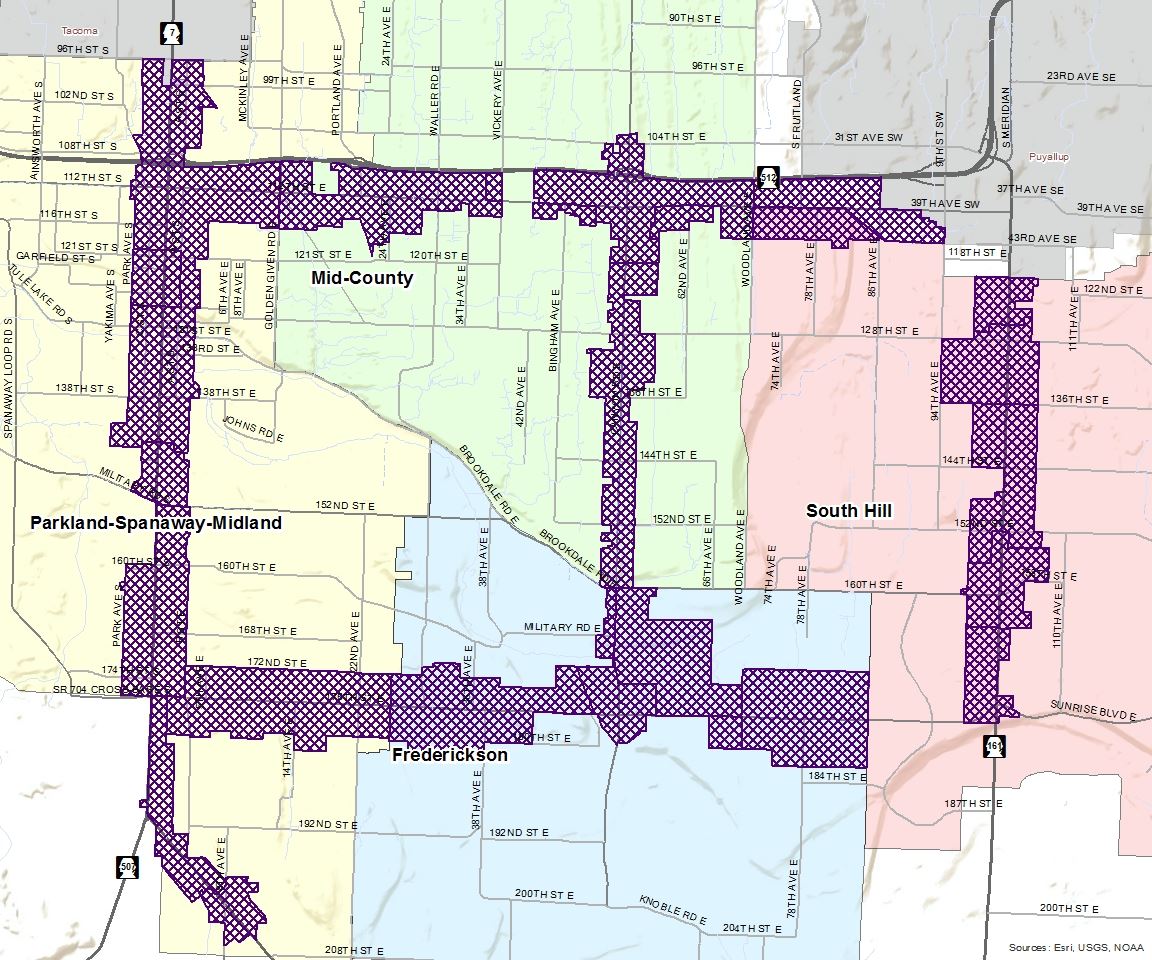
First, it was the “City of Pierce” proposal to take the unincorporated part of mid-Pierce County and turn it into a high-density rectangular race-track of high-rise housing, 2016.
The communities affected were so ticked off they formed an organization of community associations to fight it. (Pierce Communities Coalition) It was to no avail, the county moved forward in spite of our pleas and slashed our community plans to little reproductions with all the individuality of each place removed. Of course, the legislation was to make it all easier for the developers. Why would they want to know where Frederickson ends and North Clover Creek Collins begins? Neighborhoods have little meaning when you are mas producing little boxes of profit for people to live in.
Then there was the approval, turning the Brookdale Golf Course on Clover Creek into a development of tightly packed houses. Never mind that it was a potential flood zone or seriously historic. The developers were allowed to place what is basically large plastic bottles in the ground to capture excess water during flood events and those bottles could be pumped out regularly. What an idea. (I hope they never let these guys build along the Chehalis River.)
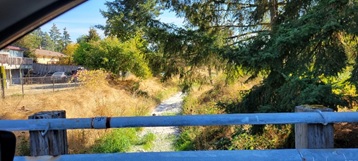
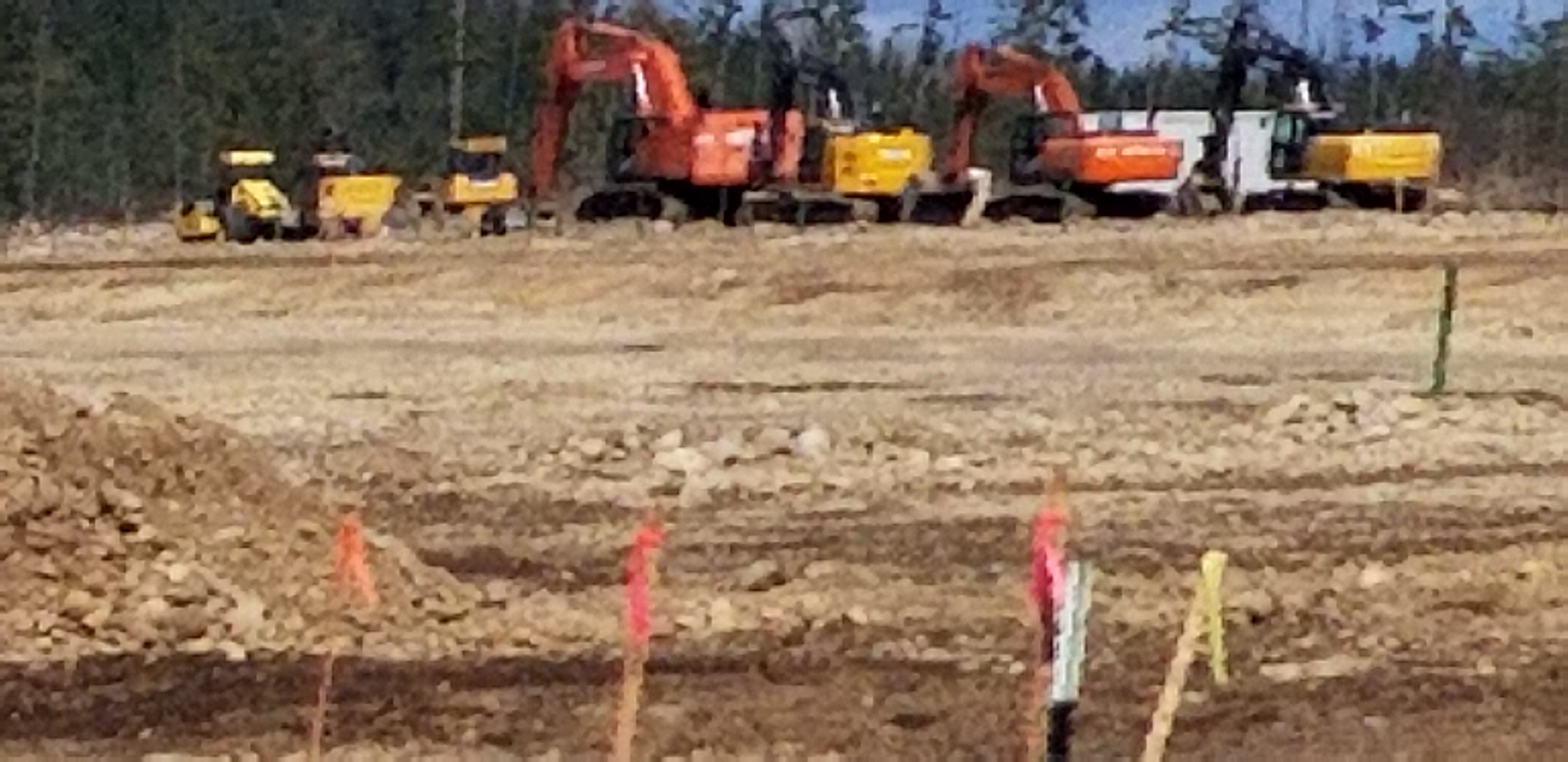
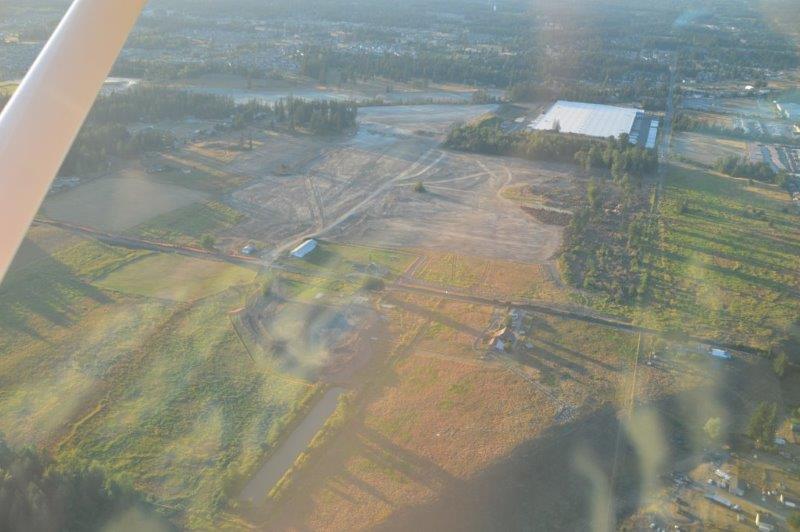
Then someone had an even “better” idea and released beavers from King County on Clover Creek. Clover Creek from Brookdale Greens to Spanaway Loop Road, a former salmon bearing creek, has water only 2 months a year now. This section has basically been reduced to the definition of stormwater runoff which the county regularly allows to be bulldozed and run into storm drains. Example: 208th Street and 31st Avenue where there is now a huge warehouse and thousands of yards of fill on top of a former tributary to the Clover Creek system.
Pierce County is also extending the sewer system to all these places, so with each flush, water that was formerly ground water is put into the large pip that heads out to Chambers Creek, processed and pumped into Puget Sound, not back into the ground.
So all this water consumption and re-routing is affecting the ground water levels. Clover Creek is (or was) a combination of surface water and ground water, rising and falling with the water table and rainfall. Dirt that built up on the bottom of the creek could be flushed by a rising water table, keeping the bottom rock suitable for salmon spawning. At least, it used to work that way.
And most recently, a proposal to place a village of 285 homes and services in a wetland area between and marsh and a popular lake that is struggling with lake health already.
Pierce County from Summit to Graham to Roy is a sole source aquifer. Rainfall is how that ground water recharges. Sewers and straws for housing use pulls more out than be replenished. Our water tables are dropping. Clean Water law doesn’t let the government pull water from the Green, White, Puyallup or Nisqually rivers to replenish it. Add to that the glaciers are slowing receding on the mountains more each year. We may have to rethink what water we waste in toilets, laundry and showers.
We need to have a serious conversation in the County about water use. We need to talk about ground water and where we are putting it. We need to ask whether high rises should be limited in mid county because there is not enough water to make it a metropolis. The salivating developers are going to meet their match and it is called a water shortage. For years they have complained that they could not build on this or that parcel because of water. They have now tried many ways to excuse draining those parcels and building anyway. The looming problem they are creating is next.
Pierce County needs a serious water resource discussion, soon. Lakewood has placed pipes to draw water to Summit. Tacoma has been trickling water into the system on South Hill for Richardson, now called Washington Water Company. When will we pull and inventory and find this is not sustainable. Apparently, Lakewood just did a ground water inventory. I am eager to see it. I visited Nisqually Lake on JBLM when Range Control said it was open for fishing. There was no water visible when I was there in April or in May when the Nisqually Tribe was there for the Leschi Honor Walk. No one I asked could explain where the water went.
Perhaps bottling and selling water from a sole source aquifer that is over-populated will have to be reconsidered. Perhaps flushing toilets and long showers need alternatives. If you think you live someplace it rains all the time and there is no end to water, think again. I do not water my lawn. It died this summer. (I hate mowing anyway.) I leave out a small pool for wildlife because the creek and nearby pond are dry by late summer. Which summer will the water pipes be dry?


 Pierce Prairie Post
Thank you for speaking the truth. I live on Clover Creek in Lakewood. We haven’t had a crew for months now. And we didn’t have one last summer either. They spent thousands of dollars to build weirs so that the salmon would have a space to continue to swim upstream. That hasn’t been that way for years. It’s awful. I can’t see an end to it. Again, thank you for your work on this project and if you can’t see an end to it I don’t know where will be with all of it. Thanking you again.
Yes, spot on. There’s world-wide recognition that groundwater resources are under threat by excessive pumping. Resources like springs, which are important biological reservoirs or “hotspots”, are being lost (for example, see a quasi-open-source article “Urgent plea for global protection of springs” at doi: 10.1111/cobi.13576). You can ask Pierce County government what happened to Crystal Spring, once part of Tacoma’s water supply when it used the Clover-Spanaway surface waters to slake its thirst. Now the exploitation has moved underground, and the increased groundwater pumping is on a collision course with climate change. The resultant wreck will likely destroy whatever remains of our surface streams.